- English
- Español
- Português
- русский
- Français
- 日本語
- Deutsch
- tiếng Việt
- Italiano
- Nederlands
- ภาษาไทย
- Polski
- 한국어
- Svenska
- magyar
- Malay
- বাংলা ভাষার
- Dansk
- Suomi
- हिन्दी
- Pilipino
- Türkçe
- Gaeilge
- العربية
- Indonesia
- Norsk
- تمل
- český
- ελληνικά
- український
- Javanese
- فارسی
- தமிழ்
- తెలుగు
- नेपाली
- Burmese
- български
- ລາວ
- Latine
- Қазақша
- Euskal
- Azərbaycan
- Slovenský jazyk
- Македонски
- Lietuvos
- Eesti Keel
- Română
- Slovenski
- मराठी
- Srpski језик

What Decorative Buyers Saw From Hong Kong Lighting Fair 2026
Hong Kong Lighting Fair 2026: What Decorative Buyers Saw
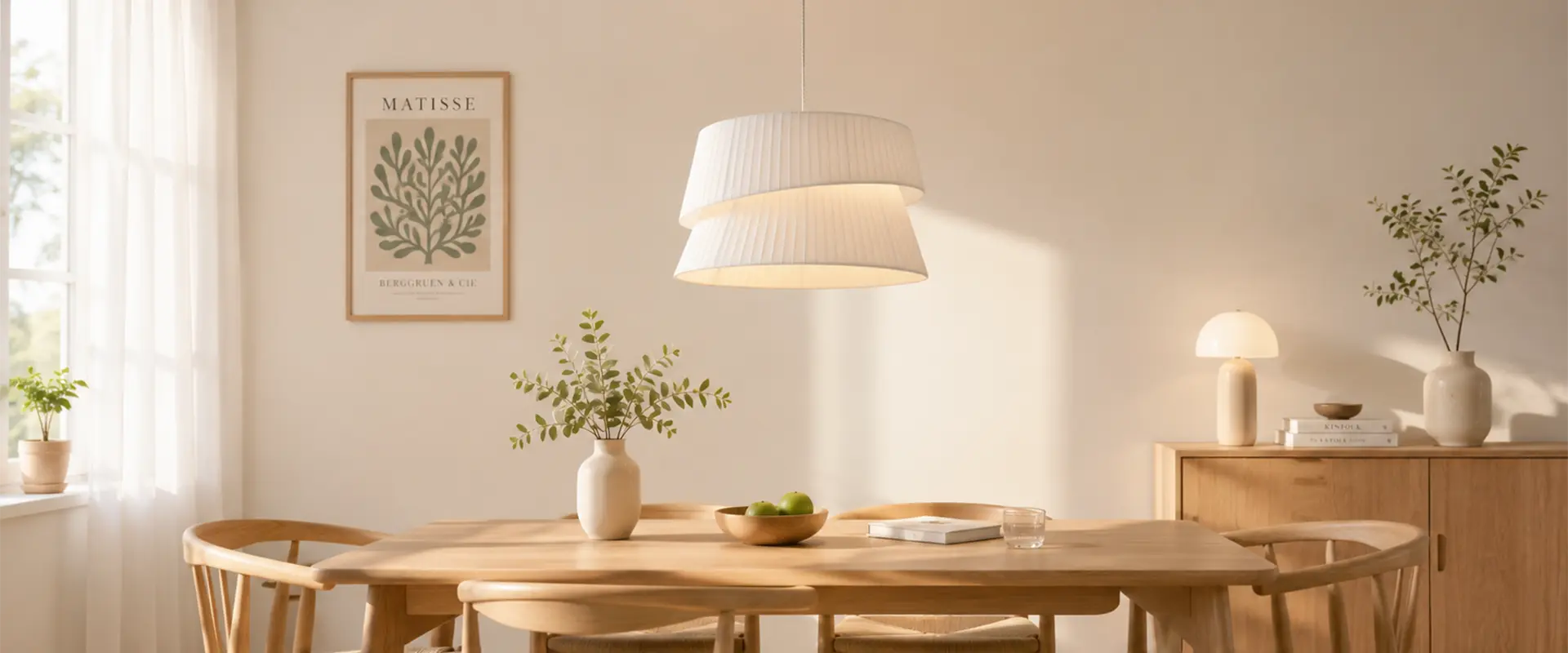
Four days, one hall complex, and roughly three thousand exhibitors: the 28th Hong Kong International Lighting Fair closed on 30 October 2026, and for anyone working in decorative lighting the useful question is not what was loudest, but what actually changed. Strong Lighting follows the decorative halls at the Hong Kong Convention and Exhibition Centre every autumn, comparing what exhibitors present with what our own buyers ask for in the months that follow. This is our read of Hong Kong Lighting Fair 2026 and of the decorative lighting trends it confirmed, written for the buyers and specifiers who will place 2027 programmes in the next few months.
The Fair in Numbers
The autumn edition ran from 27 to 30 October at the HKCEC under the theme Beyond Lighting, organised by the Hong Kong Trade Development Council, alongside the 11th Hong Kong International Outdoor and Tech Light Expo at AsiaWorld Expo from 26 to 29 October. Together the two fairs covered 70,000 square metres and drew around 3,000 exhibitors from more than 20 countries and regions. Across the three concurrent events, including Eco Expo Asia, roughly 62,000 buyers arrived from 152 countries and regions.
For decorative lighting, the zone that matters most is the Hall of Aurora, which gathered around 500 brands and remains the clearest single reading of where high end residential and hospitality design is heading. The Connected Lighting zone drew about 70 brands and, for the first time, KNX appeared among the standards bodies present, while a new LED Display Solutions zone took the technology story into transparent and flexible panels.
Signal One: Smart Took the Headlines, Craft Took the Orders
The press releases belonged to connectivity. The order books, judging by what buyers told us in the weeks after the show, belonged to material. Buyers walked past the interactive screens and stopped at surfaces: how a glaze catches light, whether a brass arm looks hand finished or stamped, whether the stone reads as stone at two metres.
That split is worth understanding rather than resisting. Smart control has become infrastructure, something a decorative fixture either supports quietly or fails on. It is no longer a reason to buy a chandelier. Material and form still are, and the decorative halls in 2026 rewarded suppliers who could show craft up close rather than render it in a video.
Signal Two: Collections, Not Single Pieces
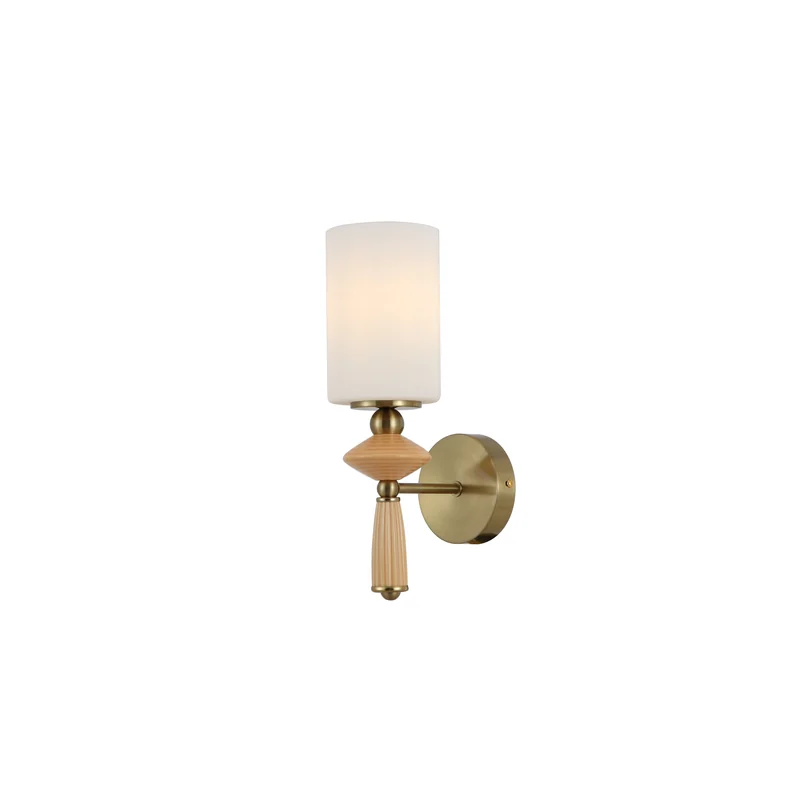
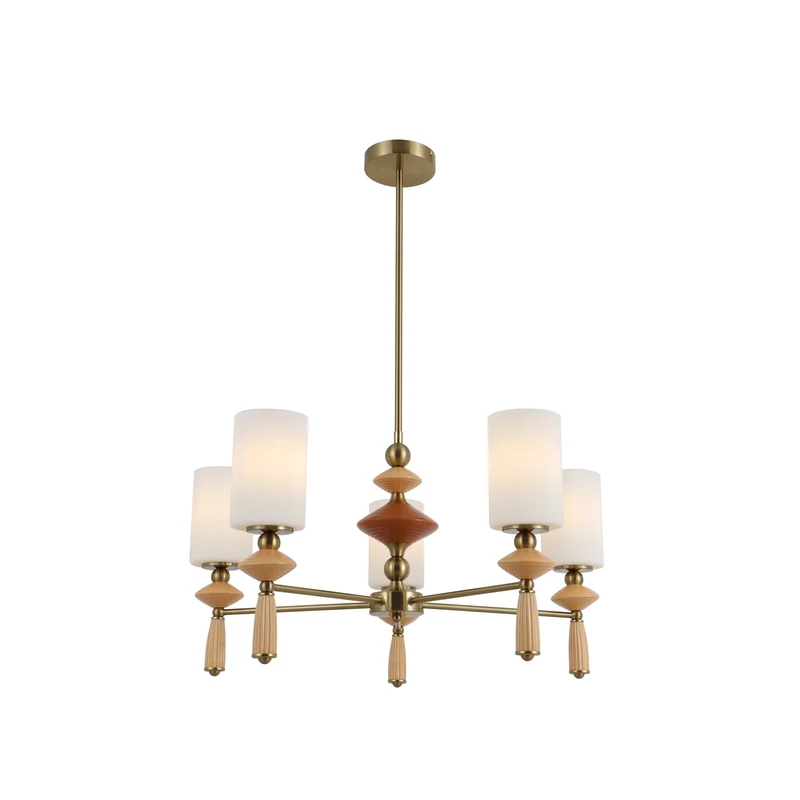
The second pattern was structural. Fewer stands presented one hero pendant and a price list; more presented a family that runs across categories, so a buyer can light an entire project in one visual language. A chandelier, a matching wall sconce and a smaller ceiling version, all sharing the same arm profile, the same glass and the same finish, is a far easier specification than three unrelated pieces that happen to sit in the same catalogue.
This is the thinking behind the 16142 family at Strong Lighting. The five arm brass chandelier and the matching wall sconce share the same turned wood detail and the same opal glass cylinder, so a dining room and its adjacent corridor read as one scheme rather than two purchases. For project buyers, collection logic also shortens approval: one sample set, one finish reference, one documentation pack.
Signal Three: Material Honesty, and the Return of Turned Wood
Brass is no longer enough on its own. What stood out in 2026 was brass combined with something that carries a mark of the hand: turned wood spindles, fluted ceramic, cast glass with visible tooling, stone with unpolished edges. The finish trend has moved from mirror polished to brushed and lightly aged, and buyers now ask how a finish will look in three years rather than on the day of delivery.
That is the pattern behind the decorative lighting trends of 2026, and it is why chandelier trends have turned towards construction rather than colour. Opal glass, once treated as a cheap diffuser, is being asked for by name again, because a well made opal cylinder hides the light source completely and gives the warm, glare free field that hospitality projects want. Our own chandelier and sconce both use it for exactly that reason.
Signal Four: Muted Colour as the Accent
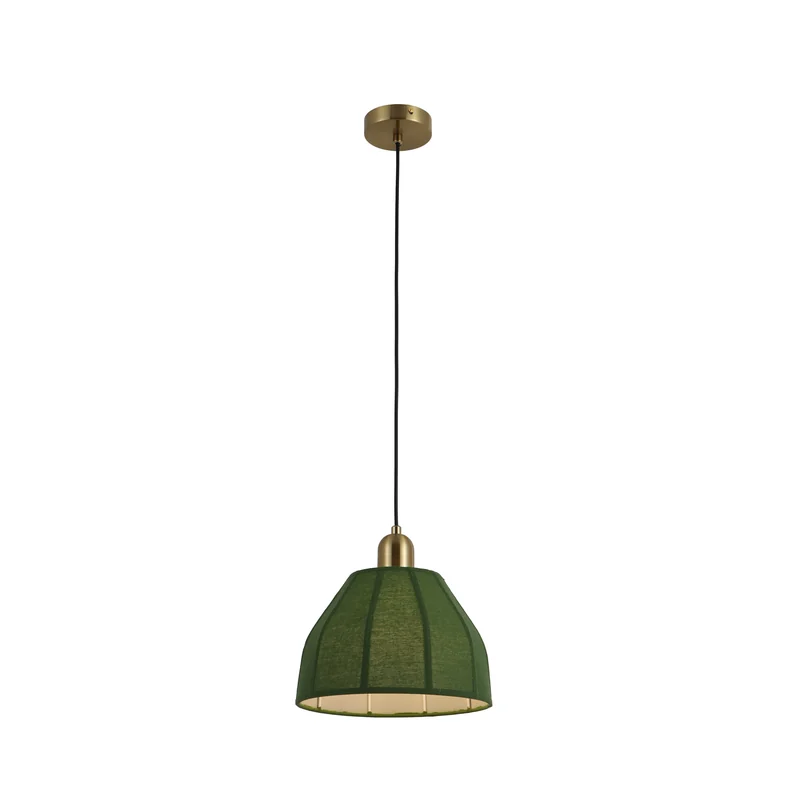
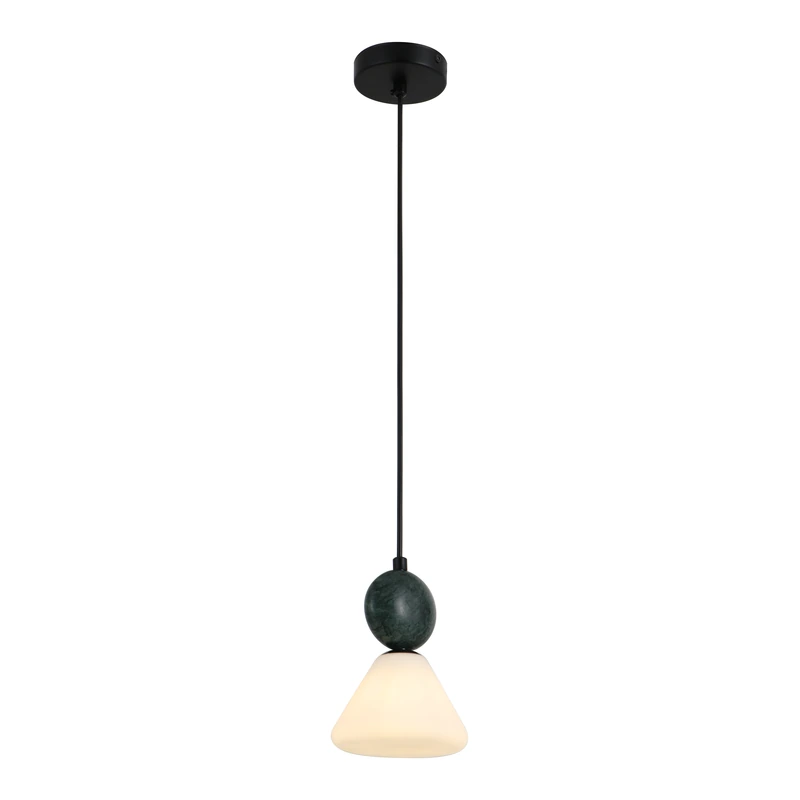
Colour returned, but quietly. Instead of the saturated jewel tones of a few seasons ago, the decorative halls leaned on olive, moss, clay and terracotta, usually applied to textile shades rather than metal bodies. A green pleated fabric pendant against a limewash wall does more for a room than a bright lacquered frame, and it photographs without looking staged.
The practical implication for retailers is that colour has become a variant decision rather than a design decision. Buyers are asking for one silhouette in three or four muted shades, which is cheaper to produce and easier to merchandise than three separate designs.
Signal Five: Repairable by Design
The least glamorous signal is the one most likely to decide which suppliers survive in Europe. Replaceable light sources, documented material content and consistent batch finishing came up repeatedly, not as sustainability branding but as procurement conditions. A decorative fixture with a sealed module is now a liability in a project tender, however beautiful it looks on a stand.
Strong Lighting has built around standard replaceable lamp holders for this reason, and the same discipline applies to finishes: a documented brass process and a fixed stone or wood supplier matter more to a repeat order than a new shape.
What This Means for 2027 Programmes
For buyers finalising next season, four checks cover most of what the fair revealed. Ask for the collection, not the single piece, so a project can be lit in one language. Ask to see finish samples under warm light rather than showroom white. Ask whether the light source is replaceable and what documentation ships with the order. And ask for a batch photo before shipment, because natural materials vary and the accepted range should be agreed in writing, not discovered on arrival.
None of these are new questions. What changed in 2026 is that suppliers who cannot answer them quickly are no longer shortlisted at all.
About Strong Lighting
Strong Lighting (Zhongshan Strong Lighting Co., Ltd) has manufactured decorative lighting in Guzhen, Zhongshan since 2015, with a 1,000 square metre workshop, two production lines, three in house designers and a team of over thirty. Electrical components carry CE, VDE, RoHS, UL and SAA listing, and OEM and ODM work covers shade size, metal finish, glass specification and packaging. The 16142 brass chandelier and wall sconce family, the pleated fabric pendant range and the stone collections are all produced in house and can be sampled together.
Browse the chandeliers and pendants collection or the wall sconces range at www.strong-lighting.com, or send our team your 2027 project list for a quotation with mixed container loading.
FAQ
Q1: Do you supply full collections rather than single fixtures?
A: Yes. The 16142 family is an example: a five arm brass chandelier and a matching wall sconce share the same opal glass cylinder, turned wood detail and finish, so a project can specify one language across rooms. A single sample set covers the family, and custom sizes are available under OEM and ODM.
Q2: Can a chandelier and wall sconce be ordered in exactly the same finish?
A: Yes, because they are produced as a pair. Both run through the same brushed or lightly aged brass process and are finished in one batch, so the tone matches rather than merely resembles. Unlacquered brass and powder coated colours can be developed from a sample you supply.
Q3: Why specify opal glass instead of clear glass or a fabric shade?
A: Opal glass hides the light source completely, so nobody seated low or standing on a stair sees a bare lamp. It spreads output into an even, glare free field, holds the warm colour of a 2700K source, and wipes clean without the dust retention of textile, which is why hospitality projects ask for it by name.
Q4: Are the light sources replaceable?
A: Yes. The 16142 family uses standard replaceable lamp holders instead of a sealed LED module, so a failed source is a service visit rather than a fixture swap. In hotels and rental apartments that difference decides whether a single fault becomes a whole unit replacement.
Q5: Can buyers review samples or visit the Guzhen workshop before ordering?
A: Yes. Strong Lighting is based in Guzhen, Zhongshan, and welcomes scheduled visits with advance notice so that finish samples, glass options and packing can be reviewed together. Buyers who cannot travel can request a sample set and a batch photograph before production is confirmed.